Policy and reports
In this section of the website, policy documents issued by BBIA and others can be found alongside the many reports and studies issued by third parties that we believe are relevant to the bioeconomy.
BBIA Annual Report 2025
2025 has been a defining year for BBIA and for the UK’s modern industrial bioeconomy. As global momentum for bio-based solutions accelerates, BBIA’s role as a convenor, evidence-builder, and trusted voice has become more important than ever.
This Annual Report sets out how BBIA has delivered against its four core pillars – Influence, Innovate, Connect, and Communicate – during 2025, and the foundations laid for 2026 and beyond as we work towards a resilient, sustainable, and globally competitive UK bioeconomy.
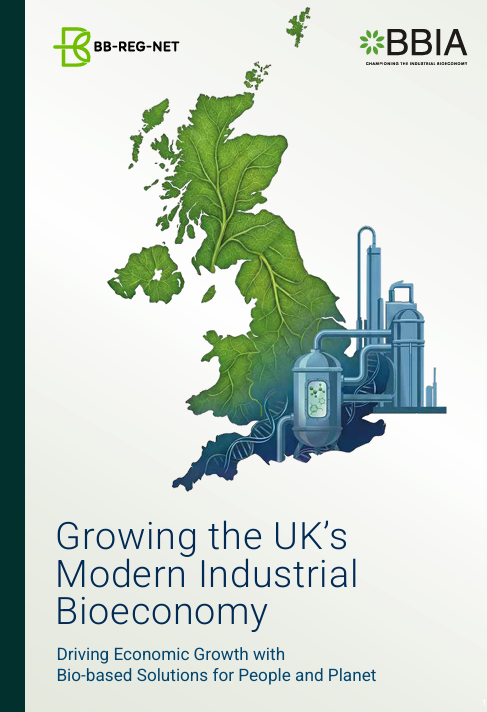


Unlocking Regulatory Pathways for Novel Bio-Based Chemicals and Materials in the UK
The UK’s Modern Industrial Strategy aims to position the nation as a global leader in technology-driven innovation by 2035, with Engineering Biology at its core, representing a £30 trillion global bioeconomy opportunity. However, this report highlights that outdated and fragmented regulations are stifling bio-based innovation, costing SMEs millions in lost value and jobs, and risking the UK’s competitiveness unless a clear, proportionate, and science-led regulatory framework is established.

Simpler Recycling: HIDDEN IMPACTS FOR CIRCULAR PLASTICS SYSTEMS
As England prepares for the rollout of Simpler Recycling, the University of Birmingham Plastics Network, in consultation with experts from RECOUP, the UK’s leading independent authority and trusted voice on plastics resource efficiency and recycling, and the Bio-based and Biodegradable Industries Association (BBIA), has conducted an analysis of the challenges that the implementation of simpler recycling will have on plastics circularity. Simpler Recycling (SR) aims to help meet the UK Government’s target of 65% recycling by 2035.


Beauty & the Bioeconomy: Economic and Environmental Potential at the Nexus of Cosmetics and Bioeconomy
The global beauty industry is experiencing rapid growth, with the market expected to reach $418 billion by 2030. At the same time, the sector is undergoing a major transformation as biotechnology introduces sustainable alternatives like lab-grown and plant-based ingredients. However, fully integrating the bioeconomy into beauty operations remains challenging. Evolving and often fragmented regulatory frameworks pose barriers, particularly for smaller companies and innovators. This report is essential reading for professionals looking to stay ahead of market trends and lead in a bio-driven, responsible future.

2025: The Year of the Bioeconomy
As we stand in 2025, we find ourselves at a pivotal midpoint between two significant milestones: the turn of the millennium and the globally agreed deadline to achieve net zero emissions by 2050. The next 25 years represent a critical window for transformative action, and at the heart of this transformation lies the bioeconomy.

Chemicals: The Misunderstood Heroes of Modern Life
In today’s world, chemicals often find themselves cast in a villainous light. From health warnings to environmental alarms, they’re seen as villains, their reputation tarnished. But while some chemicals do pose risks, it’s time to rethink the narrative. Many of the substances we fear are actually essential to the progress and functioning of modern society.


US EPA rules that PET poses health risk
The United States EPA has now ruled that the production of PET poses a health risk both to workers and to the surrounding community, including through pollution of water courses. This ruling creates a serious dilemma for the plastics industry as it will certainly now face considerable legal challenges to existing production sites and new ones planned.